 MMX Regenesis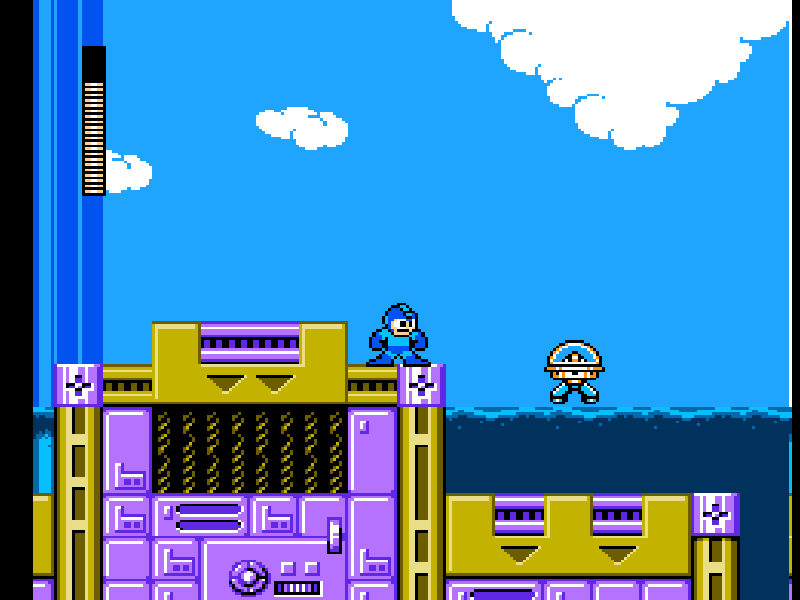

ABOUT THE GAME
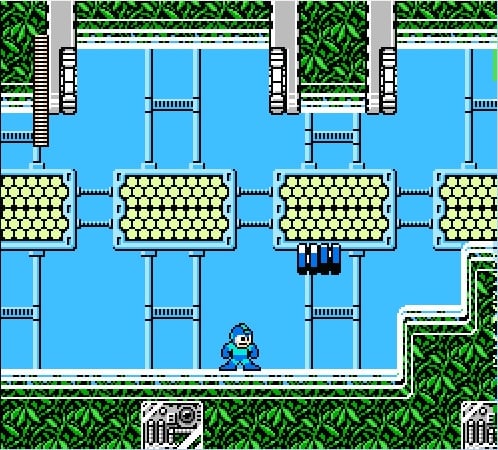
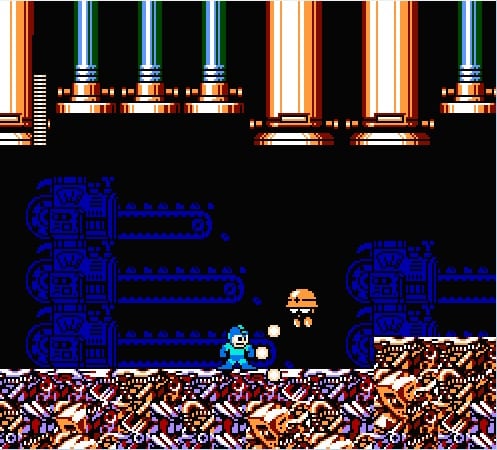
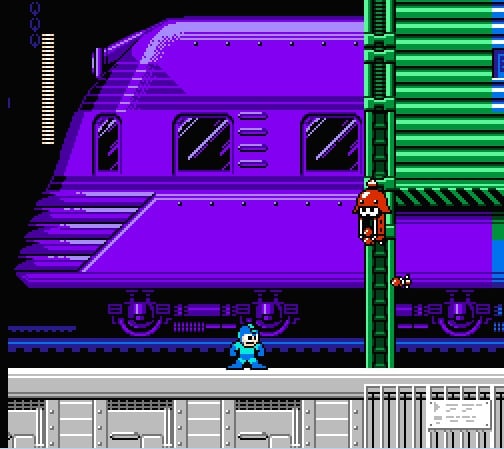
About Megamen 6
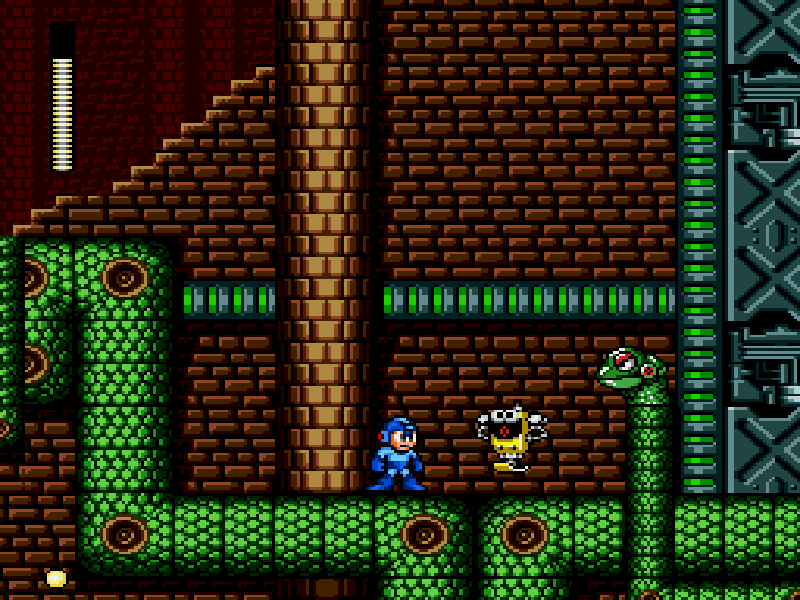
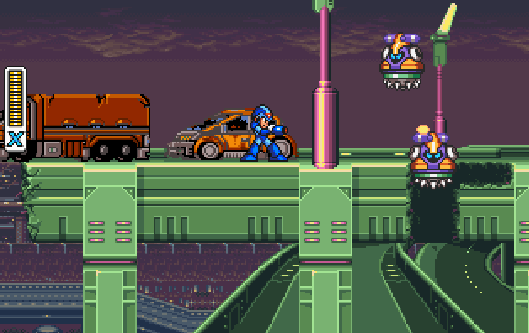
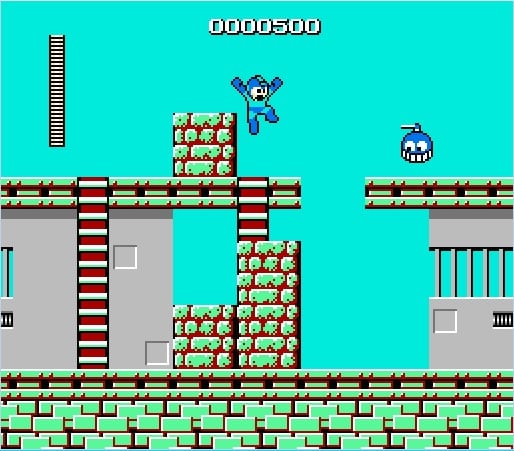
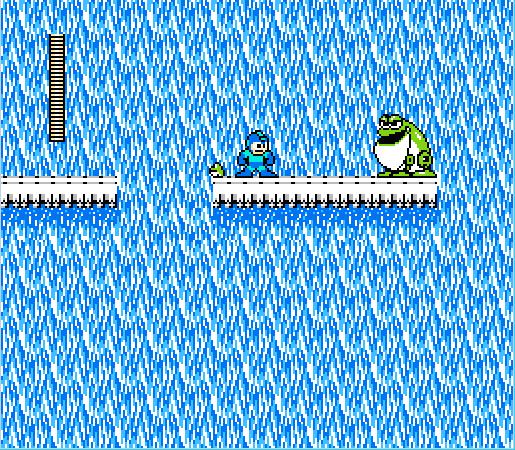
Megamen 6 is described as a Dendy-style action platformer with tight movement,
dangerous stage sections, and a challenge curve built around practice. Clear
pixel visuals and retro sound effects support fast reading of jumps, hazards,
and enemy positions.
QUICK FACTS
- Format
- Third-party browser embed
- Source platform
- PlayMiniGames
- Focus
- Precision and practice
HOW TO PLAY
How to Play Megamen 6
CONTROLS
Megamen 6 Controls
The supplied material calls the controls responsive but does not specify an
exact browser input mapping. Check the active player’s help or overlay before
using keyboard or controller controls.
PLAYER TIPS
Tips for New Players
Use failures as route information. Identify whether the last loss came from a
late jump, an unseen hazard, or an enemy pattern, then retry that exact section.
The source describes this short learn-and-retry loop as central to the game’s
retro challenge.
Start with a small route goal
Approach a new stage with one visible goal rather than trying to clear it in a
single rush. Reach the next stable platform, learn the timing of one hazard, or
find the safest way past one enemy. This makes the route easier to remember and
turns a failed run into useful information. Once a section feels predictable,
carry that confidence into the section after it.
Make hazards readable
Clear pixel art rewards attention. Before a difficult jump, notice the edge of
the platform, the space available after landing, and any enemy that could remove
your escape route. If you cannot safely handle all of those at once, solve the
nearest problem first. Move into open space, then prepare the jump or shot. This
keeps the action deliberate even when the stage becomes crowded.
Practice precision without panic
Precision is built from repeatable timing, not from reacting at the last second.
When a jump fails, change one variable: your starting position, the moment you
leave the ledge, or the landing you aim for. When an enemy causes trouble, watch
one full pattern before committing. Small deliberate corrections gradually turn
a demanding route into one that feels under your control.
Set a reliable pace
The goal of repeated attempts is a route you can reproduce, not one lucky clear.
When a section starts to feel comfortable, resist the urge to skip the careful
setup that made it work. Use the same safe approach, then gradually shorten the
hesitation as confidence grows. This is how careful practice becomes speed.
If a later screen breaks that rhythm, return to the smallest useful question:
where can you stand safely, what must be avoided first, and which jump gives you
the best landing? That reset keeps the game readable and turns a difficult run
back into a sequence of choices you can improve.
Recognize real progress
Progress can be a new safe landing, a cleaner read of an enemy, or a section
you can now repeat without hesitation. Notice those gains after every session.
They are the route knowledge that eventually turns a difficult stage into a
comfortable run, even before a complete clear arrives.
Connect small successes
One reliable jump is valuable, but a stage becomes manageable when you can join
several reliable actions together. Practice a short sequence until its rhythm
feels natural: approach, position, jump, land, and reset. Then add the next
section. This method keeps longer routes from feeling like a single intimidating
test and makes improvement easy to notice.
Finish with a useful observation
At the end of a session, keep one observation for the next run. It might be an
enemy’s approach, a safe platform near a pit, or the point where a jump should
begin. Returning with that detail helps you start stronger and keeps the game
focused on learning rather than repeating the same uncertainty.
FAQ
Frequently asked before the first run.
Is extra installation described by the local source?+
The supplied material presents browser play without installation, while the external host controls current availability.