 MMX Regenesis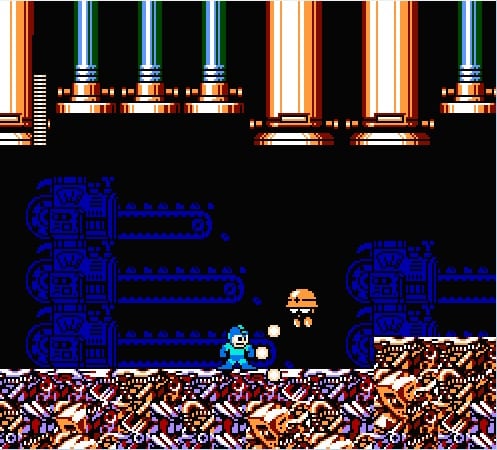



ABOUT THE GAME
About Megamen 4
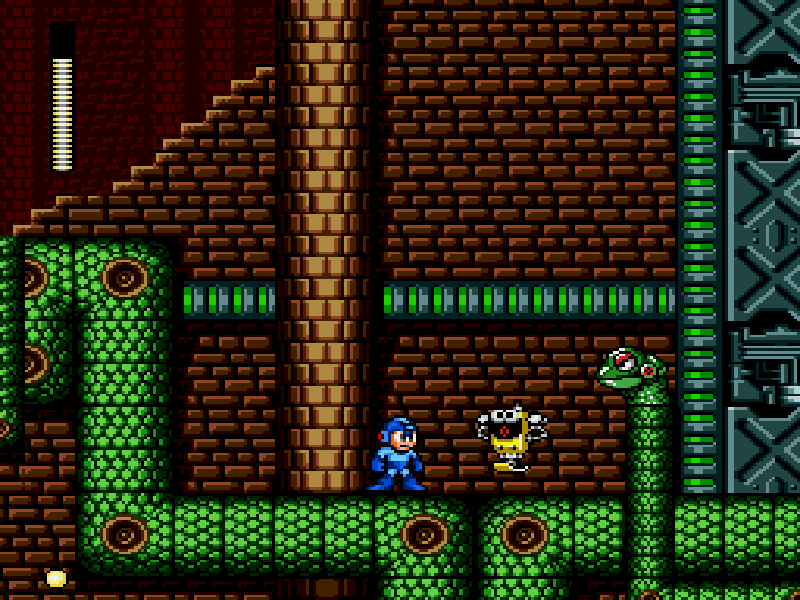
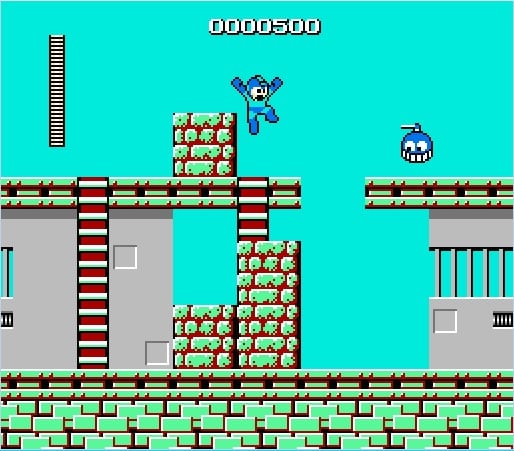
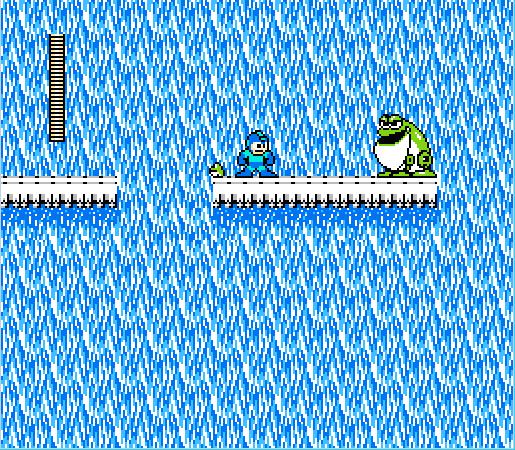
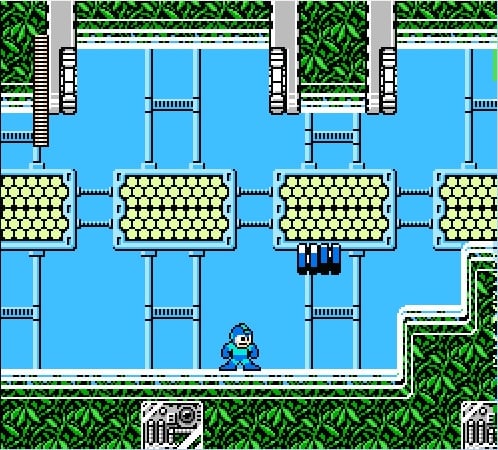
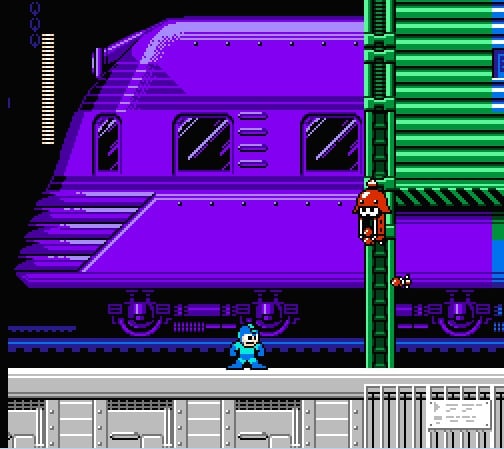
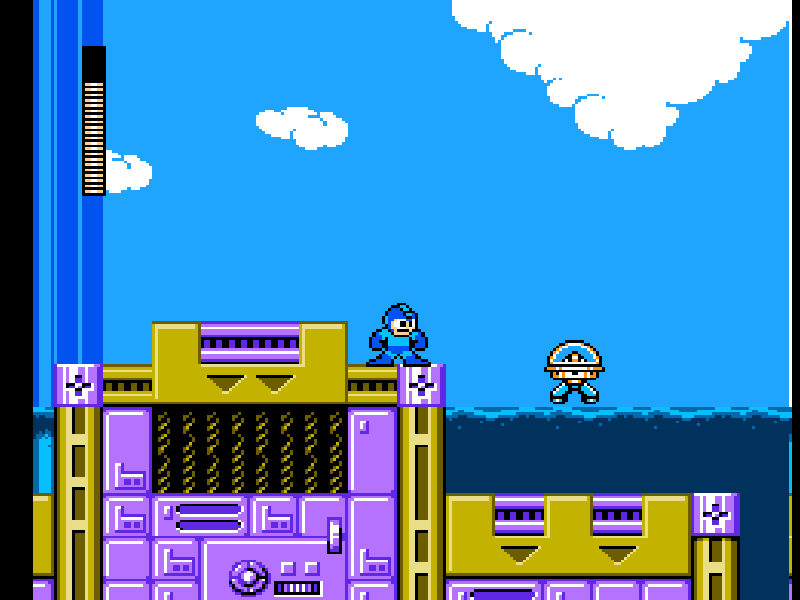
Megamen 4 is described in the supplied material as a Dendy-inspired retro
action platformer. Side-scrolling stages combine enemies, traps, and difficult
platform sections. The presentation uses clear pixel art so players can track
hazards while refining their timing.
QUICK FACTS
- Format
- Third-party browser embed
- Source platform
- PlayMiniGames
- Style
- Dendy-inspired pixel platformer
HOW TO PLAY
How to Play Megamen 4
CONTROLS
Megamen 4 Controls
PLAYER TIPS
Tips for New Players
Practice one obstacle at a time. Watch where an enemy appears, where a platform
ends, and how long a jump carries. This measured approach matches the source’s
described progression from early timing lessons to more demanding encounters.
Use the stage as a timing lesson
Every stage section can teach one useful timing fact. A platform tells you how
far a jump carries; a trap tells you when waiting is safer than rushing; an
enemy tells you which part of the screen it controls. Look for that one lesson
before asking the next attempt to be faster. Once an obstacle is understood,
repeat it cleanly a few times so it stops taking all of your attention.
Protect the landing area
The end of a jump matters as much as the start. Aim for ground that lets you
adjust rather than the narrowest possible edge. If an enemy occupies the place
you need to land, clear it first or choose another route. This small habit keeps
the side-scrolling action calm and makes later screens easier to read. A safe
landing is also the best moment to decide whether the next challenge needs a
quick shot, a patient wait, or a controlled jump.
Improve without rushing
Set practical goals: reach the next checkpoint of the route, clear a pattern
without taking damage, or repeat a difficult jump with the same timing. These
goals build confidence more reliably than demanding a complete clear every
time. The more predictable your movement becomes, the more space you have to
notice enemy behavior and make thoughtful decisions in the tougher sections.
Use calm runs to prepare for hard ones
When a route is unfamiliar, play for information rather than speed. Find where
you can pause safely, where a hazard begins, and which enemy must be handled
before the next jump. Returning with those details turns a difficult screen into
a manageable sequence and gives each retry a clear purpose.
Once a sequence is understood, repeat the same approach until it feels reliable.
Only then try to make it quicker. This order keeps precision from becoming panic
and lets you enjoy the gradual shift from careful exploration to confident play.
Repeat what worked
When a difficult room finally goes well, remember the setup that made it work.
Where did you stand, what did you clear first, and when did you jump? Repeating
that reliable approach builds real consistency and leaves more attention for the
next unknown section instead of forcing you to rediscover the same answer.
Read threats in order
When a room contains several hazards, rank them by what limits your next move.
An enemy near the landing may matter more than one farther away; a gap may need
attention before an attack. Clearing problems in that order keeps the route
open. It also gives you a repeatable method for screens that initially look too
busy to understand.
Carry one lesson forward
End each session with one lesson you can use later: the correct jump distance,
the safest waiting point, or the pattern that creates a shooting opening. Small
facts like these become the foundation of a confident run, and they make the
next visit feel like progress rather than starting over.
FAQ
Frequently asked before the first run.
Can the embed be treated as a permanent source?+
No. Its availability and behavior are controlled by the third-party host and can change.