 MMX Regenesis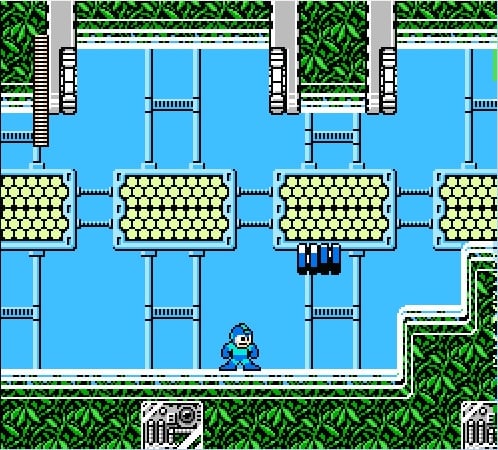








ABOUT THE GAME
About Megamen 3
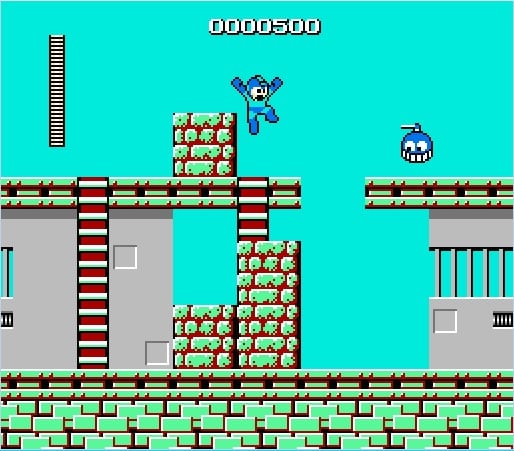
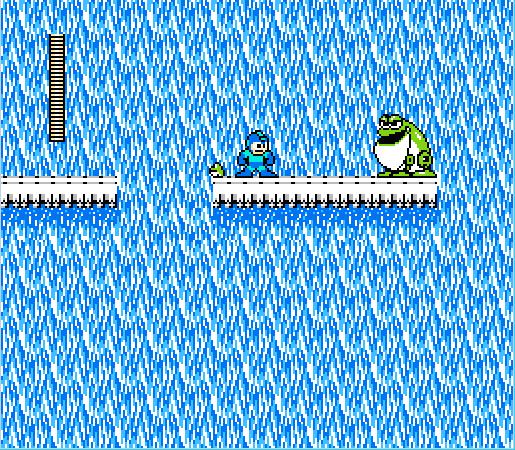
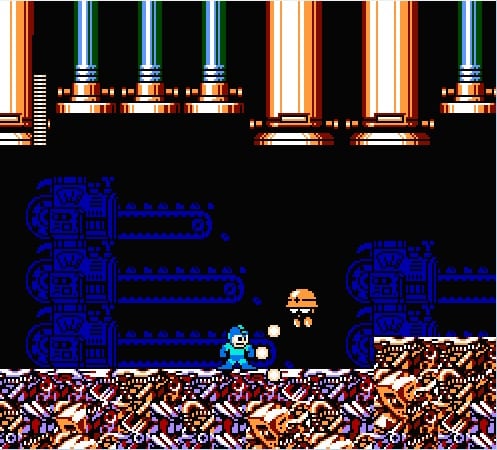
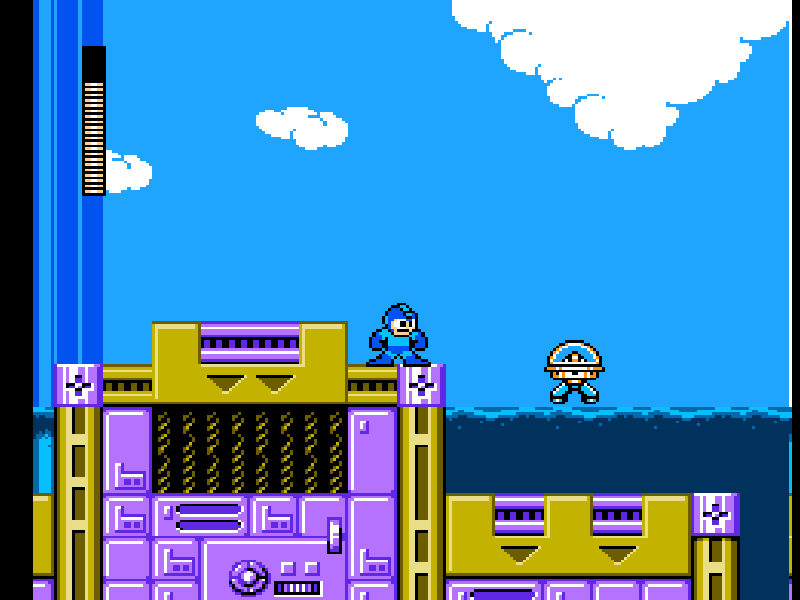
Megamen 3 is documented as a Dendy-era 8-bit action game that rewards careful
jumps, quick reactions, and repeated pattern learning. Its pixel presentation
is designed to keep hazards and enemy positions readable while the player
works through difficult side-scrolling sections.
QUICK FACTS
- Format
- Third-party browser embed
- Source platform
- PlayMiniGames
- Focus
- Timing and pattern learning
HOW TO PLAY
How to Play Megamen 3
CONTROLS
Megamen 3 Controls
The supplied material calls the controls responsive but does not document an
exact browser keyboard layout. Check the embedded player before publishing any
personal mapping notes or connecting a controller.
PLAYER TIPS
Tips for New Players
Focus on the next landing and enemy pattern instead of trying to rush a whole
stage. When a section fails, identify one timing error, retry it, and keep the
game frame focused. This is especially useful for the tight jumps described in
the supplied source.
Read one screen at a time
Megamen 3 works best when a busy stage is reduced to the next decision. Find the
safe landing, then decide whether the nearest enemy needs to be cleared before
you jump. This removes the pressure to solve an entire route in one burst. When
a screen becomes familiar, your attention naturally moves to the screen after
it, and a difficult stage starts to feel like a connected set of small problems.
Turn retries into route knowledge
After a failed attempt, be specific about what changed the outcome. Perhaps the
jump began too early, perhaps an enemy appeared where you expected clear space,
or perhaps you stopped moving to take a shot. Test one correction on the next
run. This simple routine makes repeated attempts productive and prevents the
game from becoming a sequence of random restarts. A precise adjustment is more
valuable than trying to move faster everywhere.
Keep your options open
The safest platforming position is usually the one that leaves a second choice.
Land where you can still step away, change direction, or fire without being
forced into a panic jump. When enemy pressure rises, recover space first and
attack second. That order keeps the action readable and gives you time to learn
the timing that the next section demands.
Let rhythm set the pace
Fast action does not require constant rushing. Pause briefly at a safe landing
to let an enemy reveal its timing, then move through the opening it gives you.
That rhythm of observe, act, and reset is especially helpful when a stage pairs
tight jumps with enemies. It preserves control and makes success repeatable.
As you learn a route, look for the moment where the pace naturally changes.
Some areas reward a careful approach, while others become easier once you commit
to a clean movement sequence. Knowing the difference gives you more control
than trying to react at the last possible instant.
Use safe space as a resource
Open ground is valuable because it lets you watch an enemy, adjust a jump, and
choose the next shot without panic. When you reach it, do not immediately spend
it by rushing forward. Use the moment to read what comes next, then move with a
plan that preserves another safe position after the landing.
Practice the whole sequence
After one obstacle feels dependable, connect it to the obstacle before and after
it. This is how isolated timing lessons become a real route. If the connection
fails, slow down again and find where your position stopped giving you choices.
The goal is a sequence that remains comfortable even when the action feels fast.
Keep the next move visible
Avoid committing to a jump while ignoring the platform that follows. A useful
move leaves enough information on screen to plan what comes next. By keeping the
next landing and the nearest threat visible in your mind, you make the game more
predictable and reduce the pressure of sudden corrections.
FAQ
Frequently asked before the first run.
Is installation required?+
The supplied description presents this as a browser game, but the external host controls current availability and requirements.