 MMX Regenesis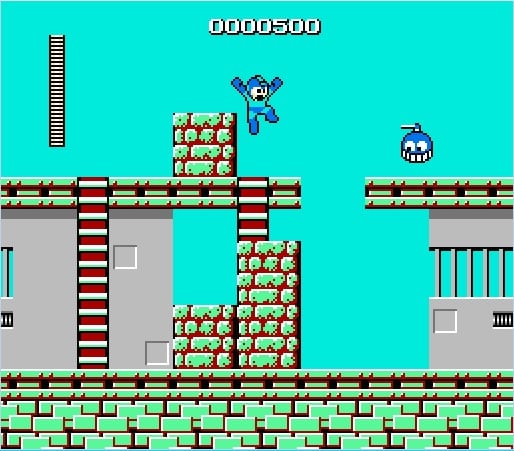


ABOUT THE GAME
About Megamen
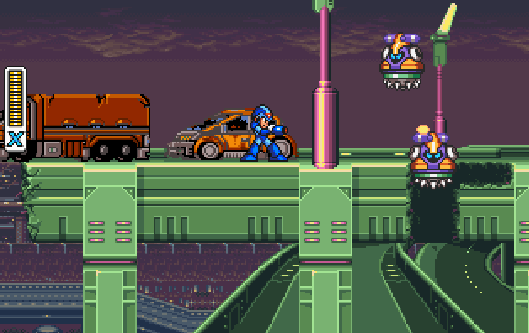
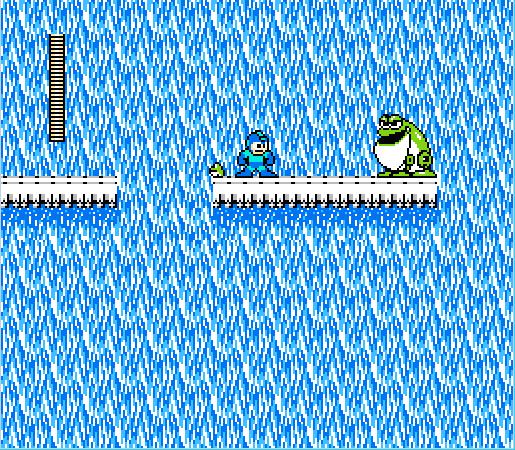
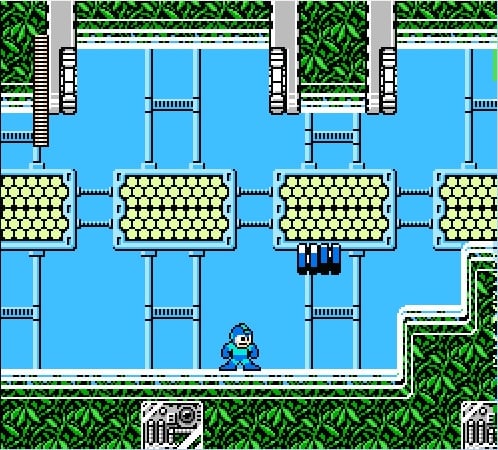
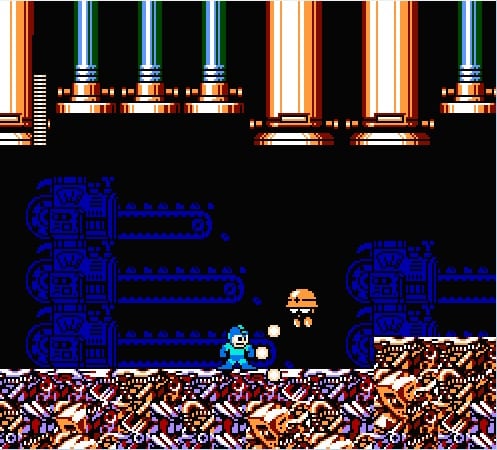
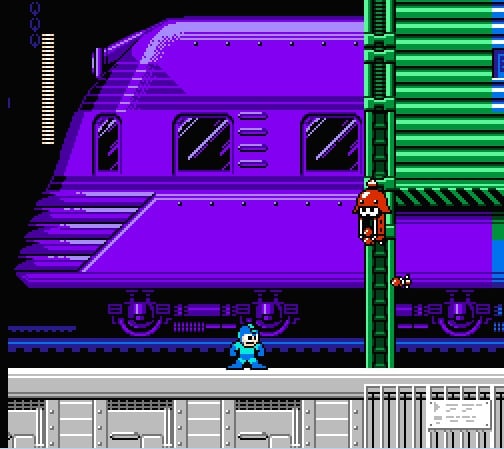
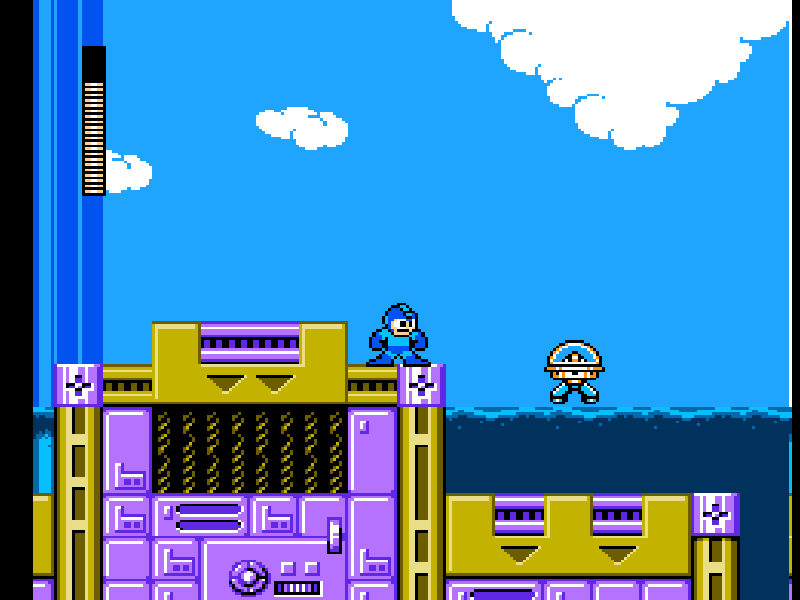
Megamen is presented in the supplied material as a Dendy/NES-style Mega Man
action-platformer. The game structure is built around side-scrolling stages,
precise jumps, enemy hazards, and Robot Master boss encounters. Defeating a
boss awards a new weapon, creating a reason to reconsider stage order and test
different tools against later challenges.
QUICK FACTS
- Format
- Third-party browser embed
- Source platform
- PlayMiniGames
- Style
- Dendy / 8-bit action platformer
HOW TO PLAY
How to Play Megamen
CONTROLS
Megamen Controls
PLAYER TIPS
Tips for New Players
Treat each early attempt as pattern practice. Leave room around ledges, learn
when enemies fire, and test a newly earned weapon in a safe position before
depending on it in a boss fight. If input is ignored, click the game frame first.
Stage order and weapon experiments
The first game is most rewarding when stage choice is treated as a learning
tool. Pick a route that lets you practice the basic jump-and-shoot rhythm, then
use what you learn to decide where to go next. A difficult boss does not have to
be the end of a session. Leave it, explore another stage, and return after a
victory gives you a new weapon to test. That approach turns apparent resistance
into a useful question: is the problem your movement timing, the enemy pattern,
or the tool you chose for the encounter?
When a new weapon becomes available, try it in a calm section before relying on
it under pressure. Notice its reach, the space it gives you, and whether it
changes how safely you can approach an enemy. Keep normal shots useful as well:
they are reliable while you reposition and learn a boss’s opening. A good early
goal is not a flawless clear; it is learning one route and one weapon interaction
well enough to make the next attempt calmer.
Building classic platforming habits
Classic Mega Man stages reward deliberate positioning. Before a long jump, look
at the landing rather than only the gap. Before engaging an enemy, leave a route
to step away. If a sequence goes wrong, identify one decision to adjust: jump a
moment later, stop closer to the ledge, or clear the threat that limits your
safe space. Repeating one small correction is more effective than rushing back
through the whole stage without a plan.
Boss preparation
During a boss attempt, spend the opening moments watching the attack cycle.
Learn where the safe ground is and when an attack creates room to respond. Then
add your own shots without abandoning movement. A patient first attempt gives
you the information needed for a stronger second attempt, and each Robot Master
victory expands the number of answers available in the remaining stages.
A steady first-session plan
For a first session, choose a route, reach a new safe point, and stop to notice
what made it difficult. Was it the distance of a jump, a projectile, or an
enemy that removed your room to stand? Return with one answer in mind. This
keeps early exploration satisfying and builds the route knowledge that makes the
stage-select structure feel strategic rather than overwhelming.
Do not measure progress only by completed stages. Learning a difficult screen,
finding a safe position near a boss, or using a new weapon with confidence is
meaningful progress. Those small gains make the next session more enjoyable and
give every attempt a clear player-focused purpose.
Review the run before restarting
Take a short pause after a loss. Recall the last safe place and the event that
changed the run. If you can name it, you can test a different answer on the
next attempt. This simple review makes every stage feel less like a test of
memory and more like a route you are steadily learning to own.
FAQ
Frequently asked before the first run.
Is this an official Mega Man release?+
No. It is a third-party PlayMiniGames embed documented from the supplied local source material.